Your shopping cart
😊 Product added to cart successfully
Product removed to cart successfully


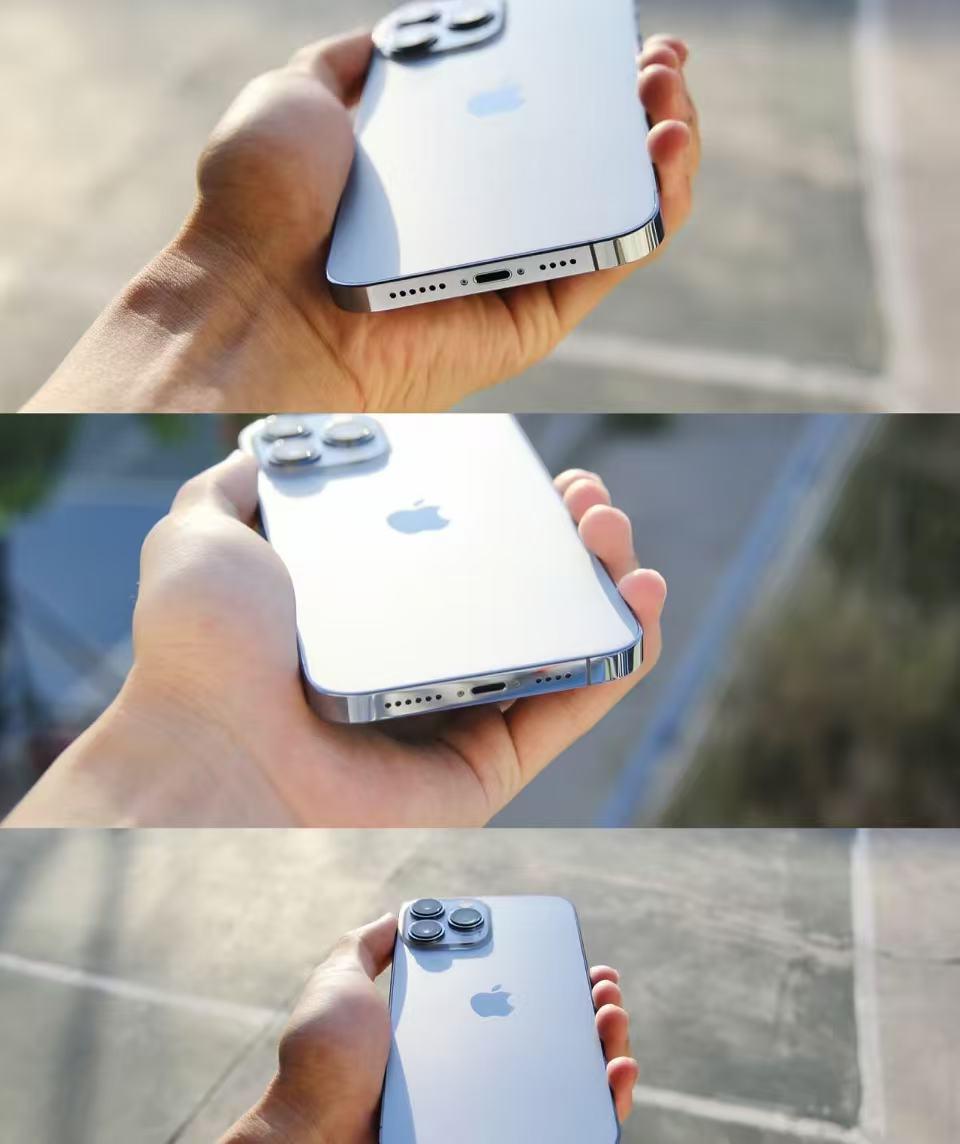
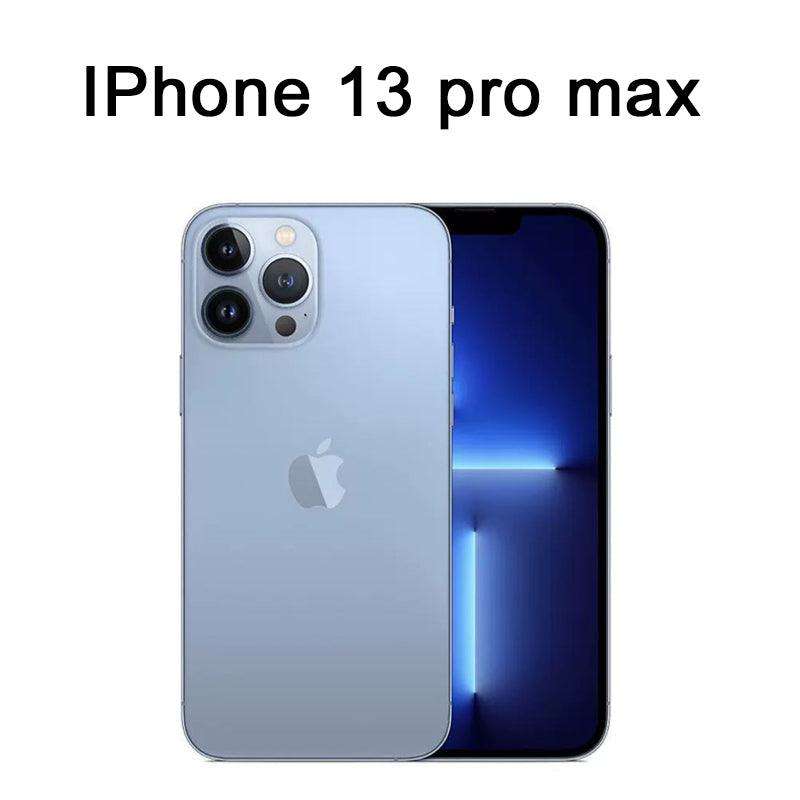
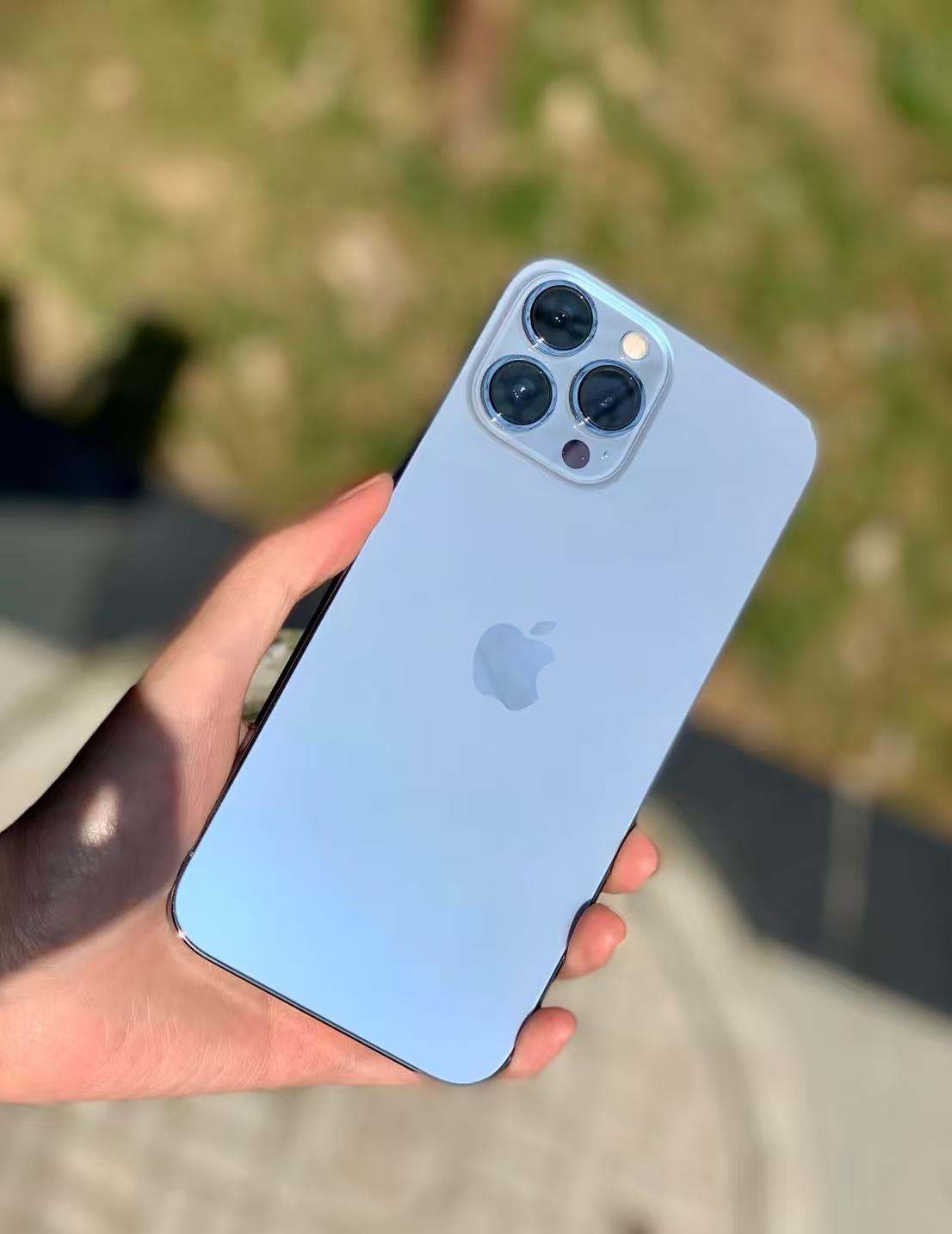
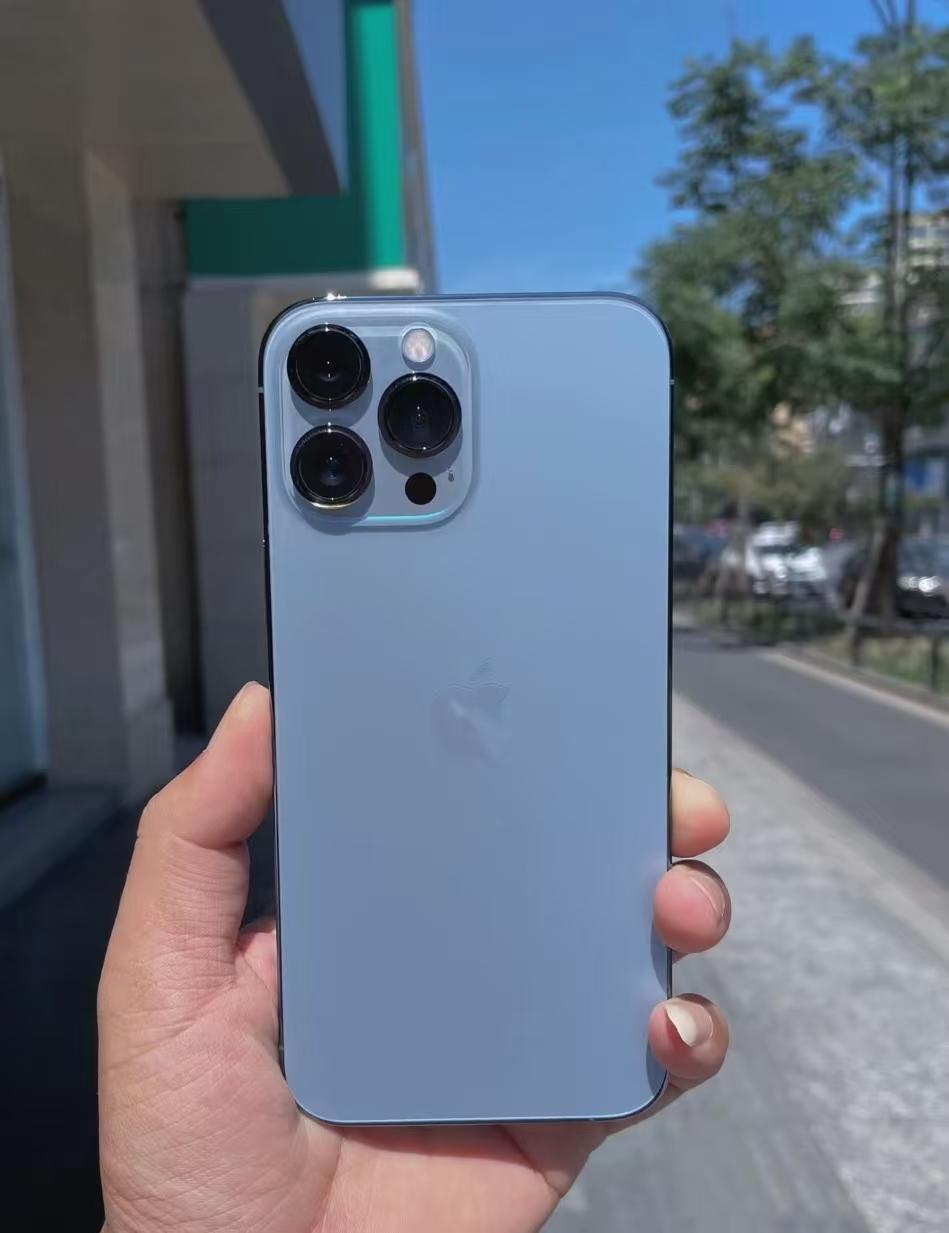
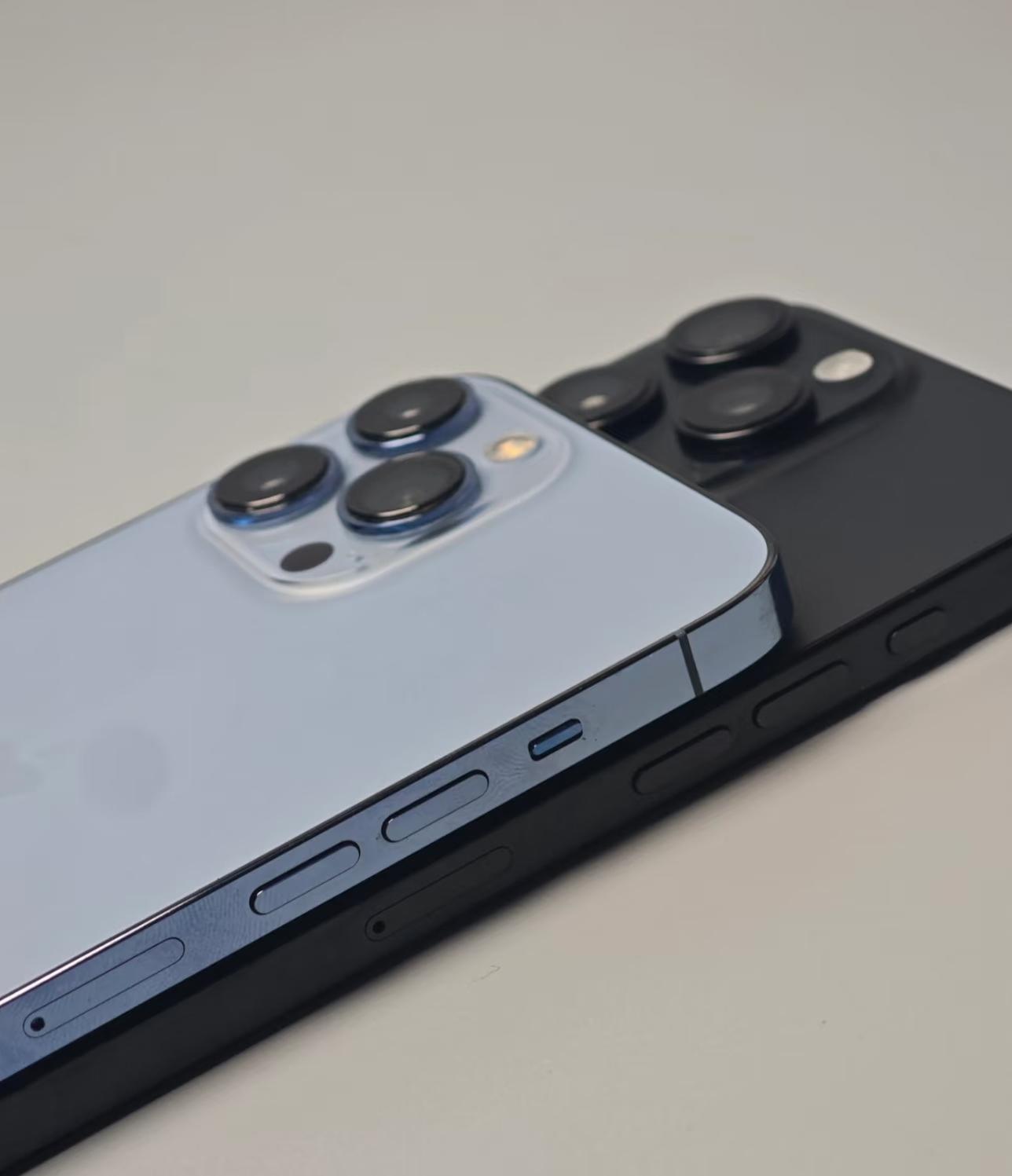
Below is a long, detailed article of nearly 3000 words, which should take about 10 minutes to read. All sample photos are original. I suggest liking this post before reading. I've used this phone for three years. When I first got my hands on it, I felt it was quite heavy and large, and it even seemed thicker. However, to be fair, its Far Peak Blue color is really nice!
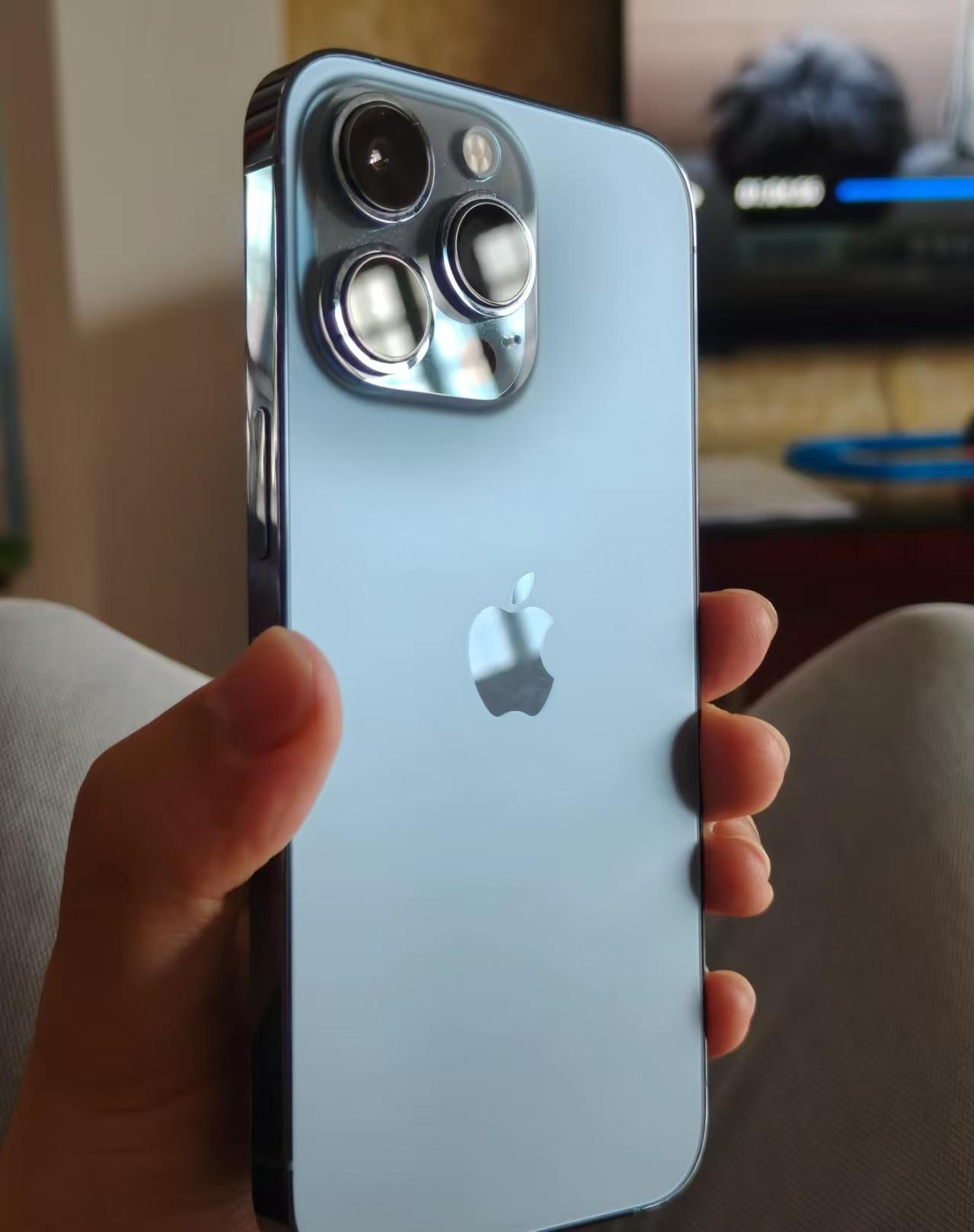
Many initially thought Far Peak Blue was similar to Samsung's Oxygen Blue, but the 13pm version is a low-saturation grayish-blue, and the frosted glass back causes slight color variations under different light refractions, resulting in a slightly different visual experience compared to Samsung's mirrored glass.
Far Peak Blue is significantly lighter and brighter than the iPhone 12pm's Ocean Blue. Compared to the 15pm's Blue Titanium, it's more understated. Even now, it remains stylish, possessing a fresh and sophisticated appeal.
The iPhone's notch has always been quite wide and large, but it has finally been reduced by 1/5 on the 13pm.
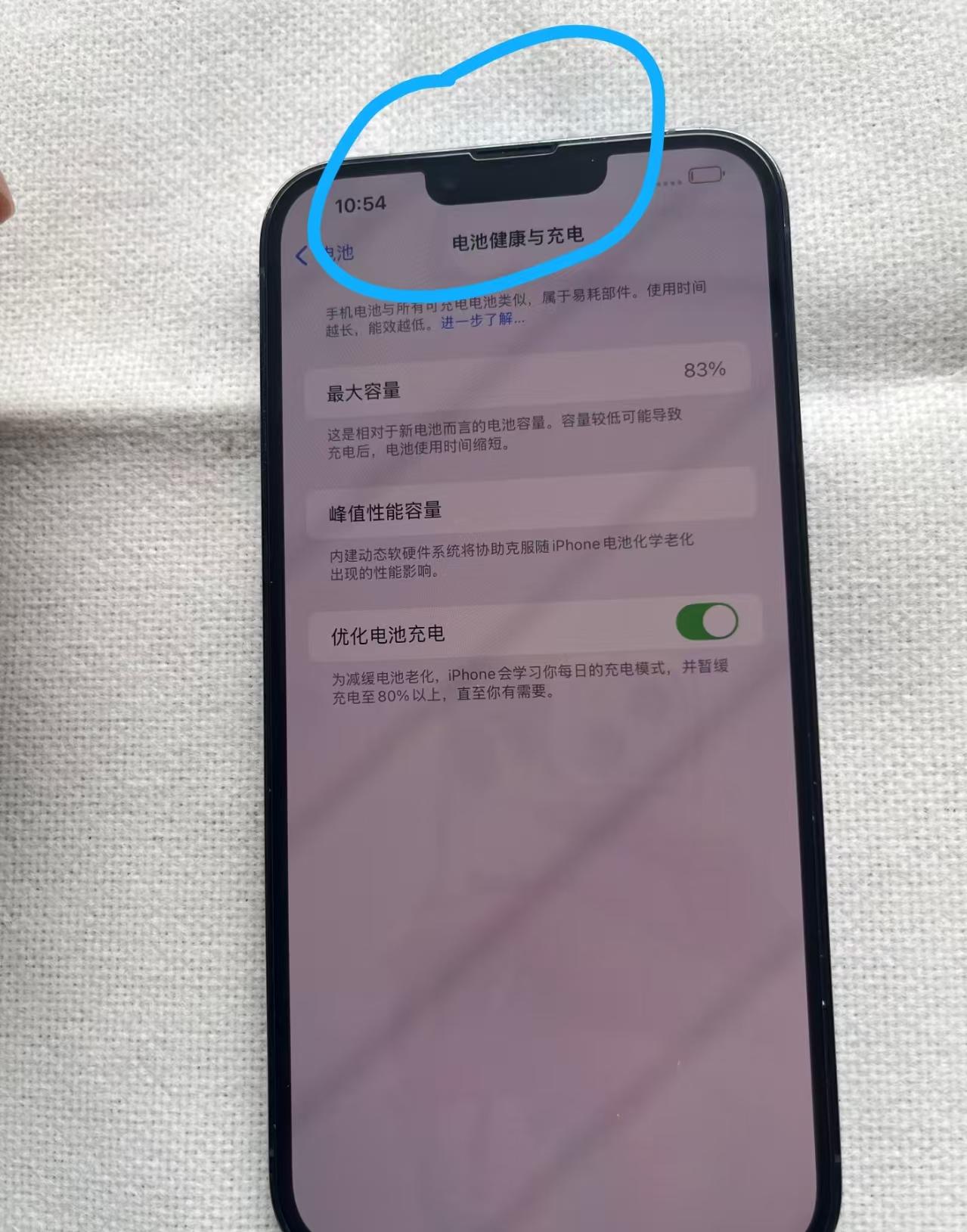
Some might say, "Now that we're using the 'Dynamic Island' screen, isn't the notch screen outdated?"
The notch screen definitely has its unique advantages. It's better than the 'Dynamic Island' in terms of biometric stability and sensor reliability. While the 'Dynamic Island' significantly improves aesthetics, it moves some sensors to the bottom of the screen, resulting in a more concentrated area of openings, which limits the number of components and the overall layout.
If you've used the 'Dynamic Island', you know that the probability of accidental touches and operations is much higher than with the notch screen. The 'Dynamic Island's' interactions are mainly concentrated in the narrow areas on both sides of the island, making it particularly prone to accidental touches when playing games!
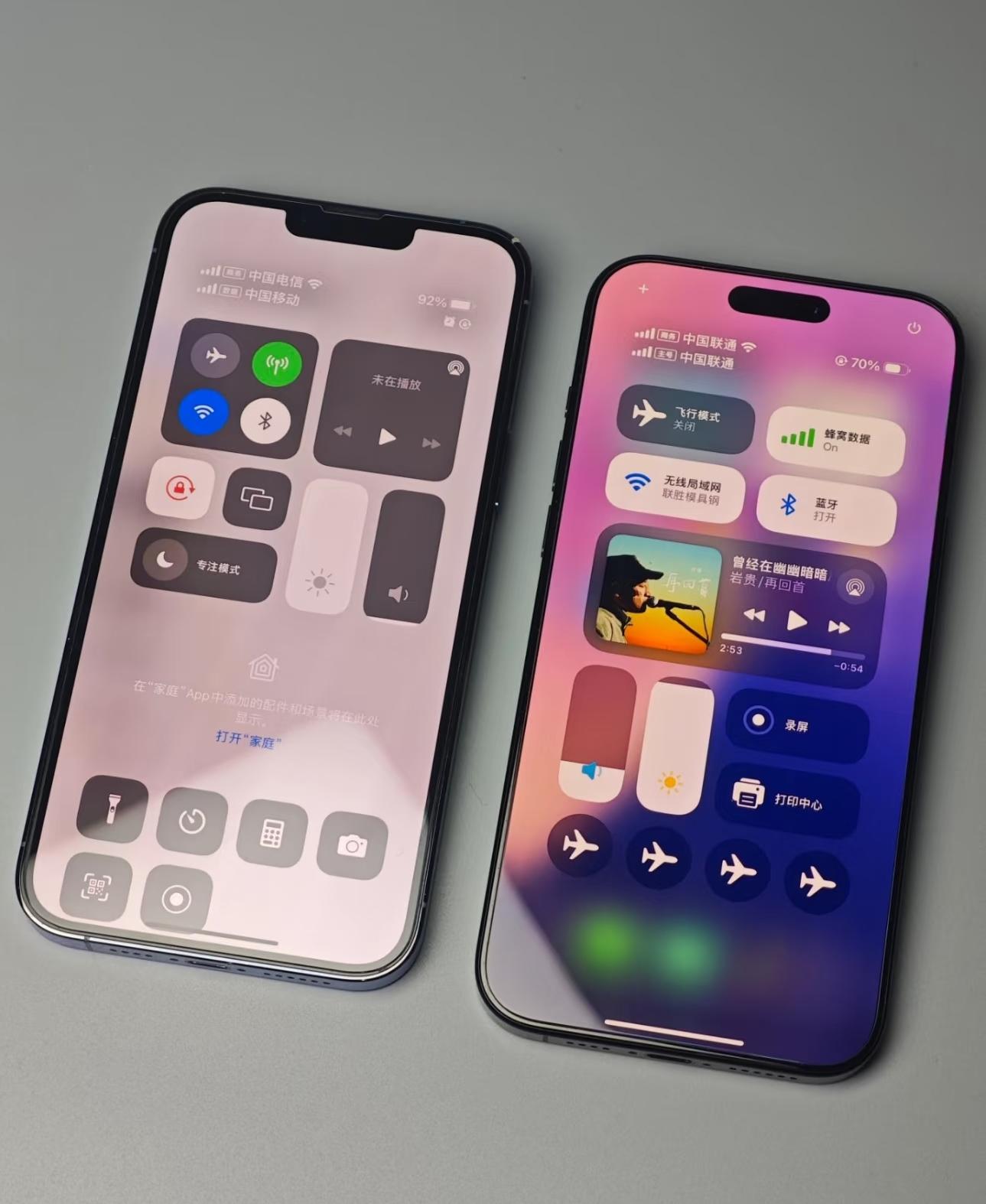
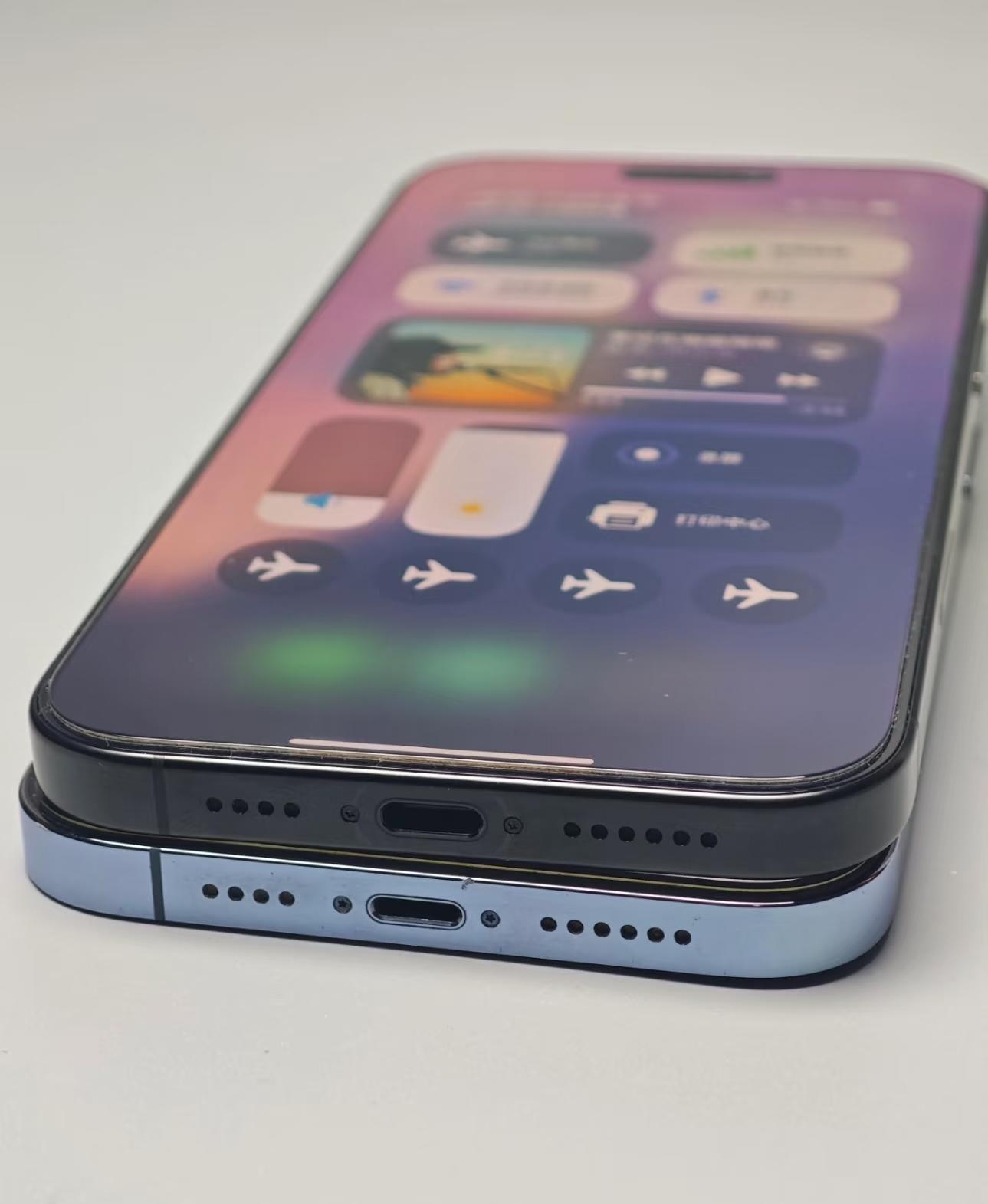
While Lingdong Island is aesthetically pleasing, it does sacrifice some convenience.
13pm officially states a maximum brightness of 1000 nits, with HDR peak brightness at 1200 nits.
Displaymate's test of automatic brightness at full white showed a brightness value of 1051 cd/m².
From my personal experience, the 13pm provides sufficient brightness in most scenarios, and it even holds up well in very strong sunlight.
In my bedroom, I generally find 50% brightness comfortable, and the 120Hz adaptive high refresh rate makes scrolling animations quite smooth. However, I also like to leave the automatic brightness on, as it adjusts slightly based on ambient light.
Maintaining an average brightness of around 50%, the 13pm achieves 854 cd/m², consuming only 1.8 watts. Under the same conditions, the 12pm consumes 2.4 watts.
Apple's 120Hz high refresh rate is adaptive; when the high refresh rate isn't needed, it might adjust to 1Hz, significantly saving power.
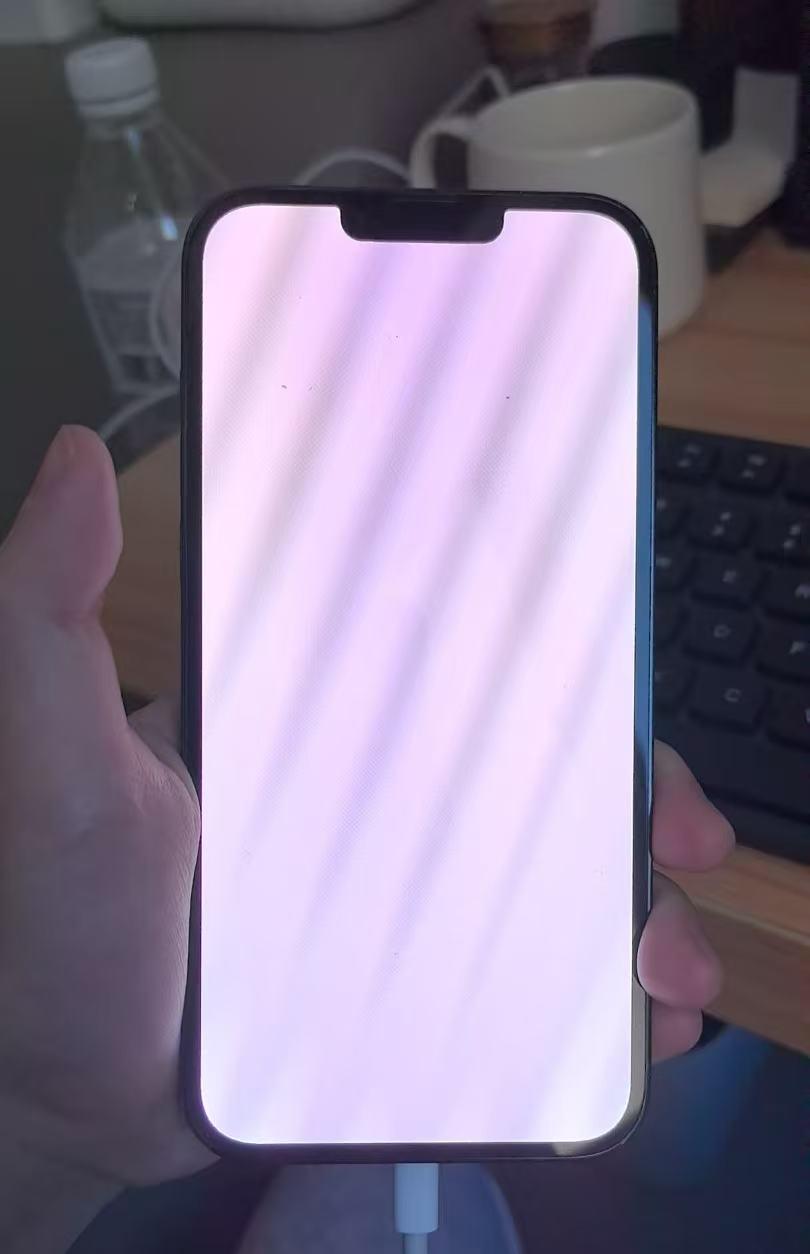
The iPhone 12 series uses DC dimming at medium to high brightness, while the 13 series uses PWM throughout, resulting in higher flicker and a greater likelihood of eye strain.
Find another phone, open its camera app, and enter professional mode. Set its shutter speed to 1/2000~1/4000s. Point it at the screen of the phone you want to test. You'll see numerous moving stripes on the screen. The thicker and more prominent the stripes, the stronger the flicker!
However, there are many ways to counteract flicker's eye strain, such as using a warm-colored desk lamp next to you while using your phone, and using it within the 45%~55% brightness range.
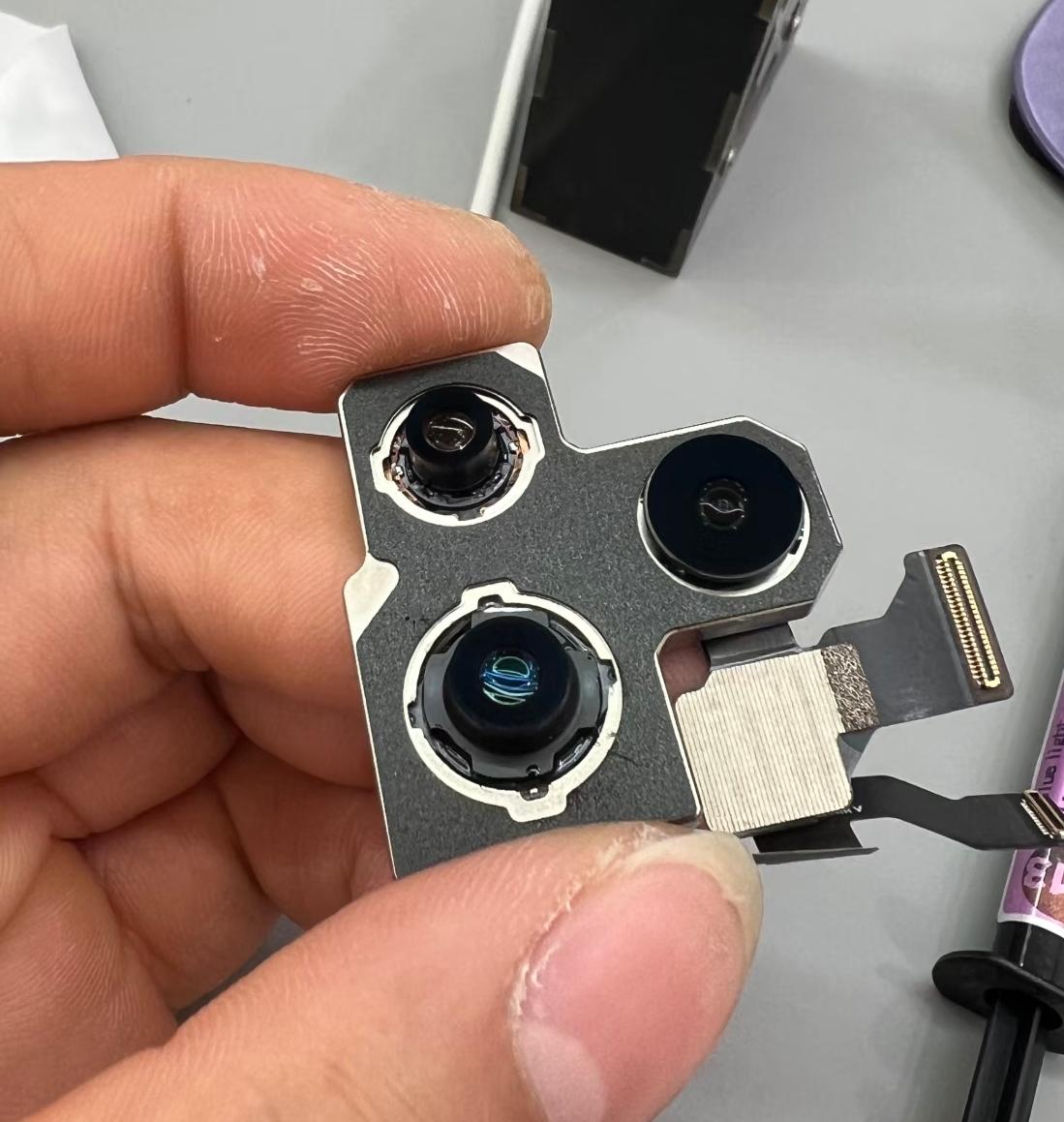
Sensor size: approx. 1/1.68 inch
Effective pixels: 12MP
Pixel size: 1.9 μm
Equivalent focal length: 26mm, Aperture: f/1.5
Image stabilization: Sensor-shift OIS
Focus and pixel structure: 100% Focus Pixels, Full-pixel PDAF
Sensor: approx. 1/3.6 inch
Effective pixels: 12MP
Pixel size: approx. 1.0 μm
Equivalent focal length: 13mm, Aperture: f/1.8, 120° field of view
Autofocus with PDAF, minimum focusing distance approx. 2cm (macro), optical image stabilization, no OIS (OIS only for wide-angle and telephoto lenses)
Sensor: approx. 1/3.4 inch
Effective pixels: 12MP
Pixel size: 1.0 μm
Equivalent focal length: 77mm mm, aperture f/2.8, supports OIS optical image stabilization
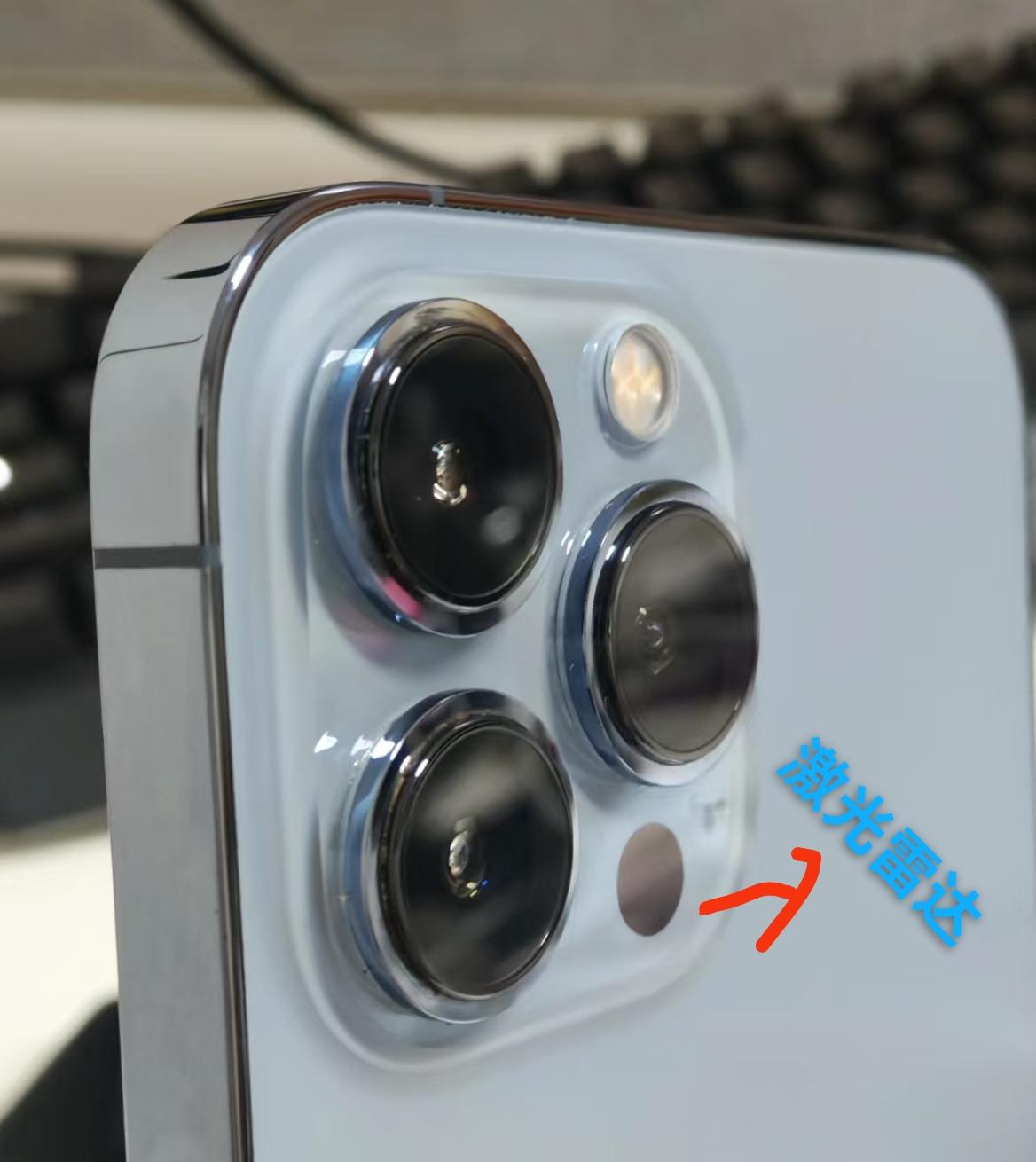
A LiDAR scanner, it's an instrument that can quickly acquire scene depth information, significantly improving autofocus and AI experience.
Especially at night, in low light conditions, autofocus is faster and more stable with the assistance of LiDAR, and it supports night mode portrait mode. When shooting video, it supports a cinematic effect mode, achieving very natural depth-of-field transitions!
Apple's fast charging is not the same as Android's. Android fast charging has now reached 100W, and the charging speed is indeed fast.
Mainly because higher power charging increases the probability of heat generation and accelerates battery aging.
Apple's charging strategy has always been about safety and durability. It consistently reduces the impact of high charging temperatures on the battery and the device by limiting peak power and dynamically adjusting it.
In actual testing, it reached a maximum of 27W fast charging, but it didn't maintain 27W throughout the entire process; it was subject to fluctuation and adjustment.
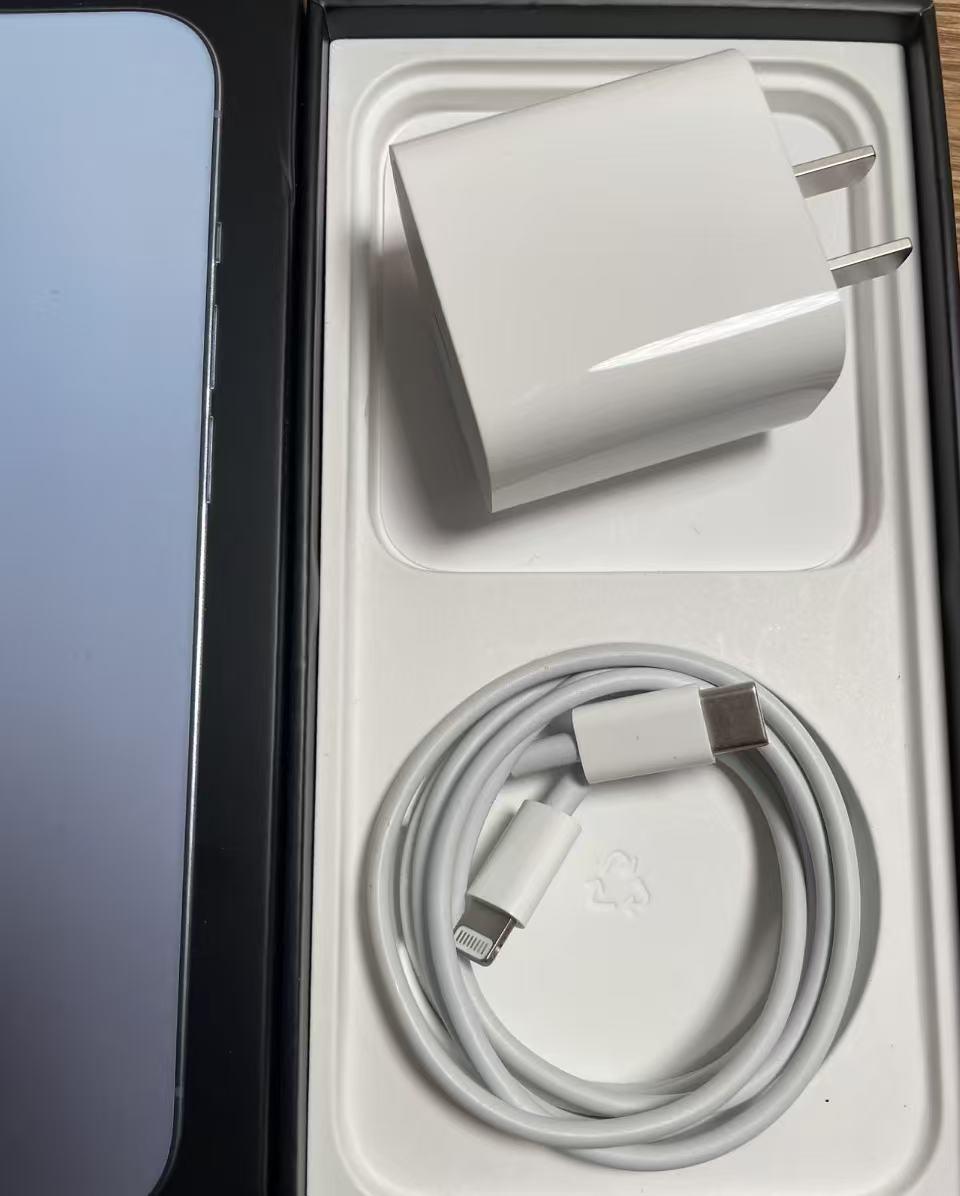
However, a 27W charging speed is acceptable for Apple; it charged to more than half a meter in half an hour, and then trickle-charged further to protect the battery.
iPhone 13pm battery capacity: 4352 mAh
iPhone 13 Pro battery capacity: 3095 mAh
iPhone 13 battery capacity: 3095 mAh
iPhone 13 mini battery capacity: 2406 mAh
The chip is an A15 chip, with a 6-core CPU, a 5-core GPU, and a 16-core neural engine.
Memory capacities are 128GB, 256GB, 512GB, and 1TB.
Cellular network: Supports 5G (sub-6 GHz) 4×4 MIMO, Gigabit LTE 4×4 MIMO, and LAA.
Wireless: Wi-Fi 6, 2×2 MIMO, Bluetooth 5.0, UWB chip, and NFC.
Location: GPS, QZSS, BeiDou, digital compass, and iBeacon micro-positioning.
Of course, it also includes a barometer, three-axis gyroscope, accelerometer, proximity sensor, ambient light sensor, etc.
Summary:
Although the 13pm is relatively thick and heavy, and the feel is somewhat lacking, with full brightness PMW dimming, it is currently one of the few phones that can maintain high specifications while offering good value for money.
If you find it too heavy, you can also consider the 13Pro.
Alright everyone, the meeting is adjourned! Please like, share, and save this post. Most importantly, a big follow would be a huge encouragement and help for my digital science popularization efforts.
It's a double win, helping me while also giving me a taste of the feel of a Z-axis linear motor.